Safety protection barrier
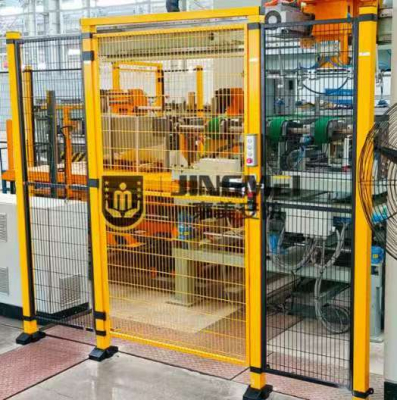
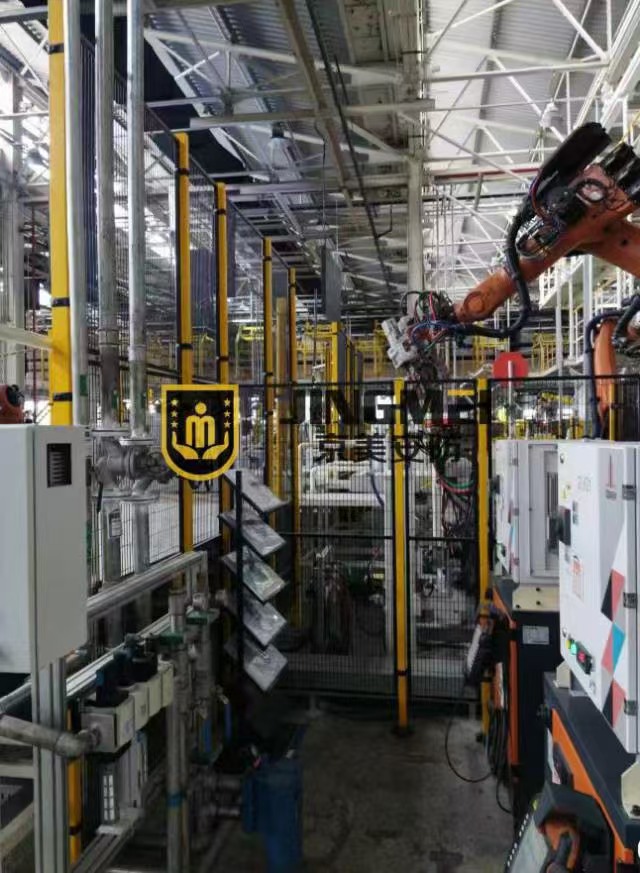
Prevention of accidents: By blocking and isolating potential sources of danger, such as hazardous areas, equipment, or harmful substances, it can effectively prevent personnel from accidentally coming into contact with the danger, thereby reducing the probability of accidents. For example, protective fences in factories can prevent workers from getting close to high-speed rotating machines and avoid the risk of being caught in them.
Protection of personnel safety: When danger occurs, it can provide protection for personnel and reduce the degree of injury. For instance, safety nets around construction sites can catch objects falling from high places and prevent ground personnel from being injured by falling objects; crash barriers on both sides of roads can reduce the impact force of vehicle collisions when the vehicle is out of control, and protect the safety of people inside the vehicle.
Limitation of the spread of danger: For some dangers that may trigger a chain reaction, such as fires and explosions, protective barriers can limit the scope of the spread of danger and avoid causing greater losses. For example, firewalls can prevent the spread of fire, stop the fire from spreading from one area to another, and gain time for personnel evacuation and fire rescue.
Material Classification
Steel: It has high strength and good toughness, and is commonly found in industrial sites, transportation roads, etc. For example, the protective fences of heavy machinery in factories are made of high-strength steel, which can withstand strong impacts and prevent injuries caused by flying parts in case of equipment failure; the central isolation barriers on roads can maintain structural stability during vehicle collisions, reducing the occurrence of secondary accidents.
Aluminum alloy : It is lightweight and corrosion-resistant, and is often used in building decoration, outdoor facilities, and other scenarios. For instance, the protective nets on the exterior of high-rise buildings made of aluminum alloy can not only ensure protective strength but also facilitate installation and maintenance. Moreover, they are not prone to rust and damage in humid, acidic, or alkaline environments.